what is considered a carbonated drink How to counter acids' painful effect on enamel
Do you ever find yourself craving a fizzy, refreshing drink? Look no further than making your very own carbonated beverage at home! Not only is it a fun and rewarding process, but it also allows you to control the ingredients and flavors to suit your taste buds. Plus, you’ll impress your friends and family with your newfound soda-making skills!
How to Make Your Own Carbonated Beverage
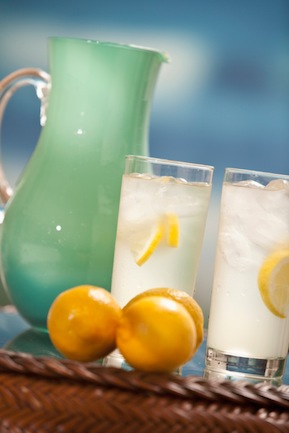 First things first, you will need some equipment to get started. Don’t worry, it’s nothing too complicated! Here’s what you’ll need:
- A carbonation system: You can choose from a soda maker, a home carbonation kit, or even repurpose a CO2 tank.
- Bottles: It’s important to use high-quality bottles that can withstand pressure. Glass or PET bottles are the most commonly used options.
- Flavorings: This is where the fun begins! You can choose from a wide variety of flavors such as fruity, herbal, or even cola.
- Water and sweeteners: Filtered water is best, and you can use natural sweeteners like cane sugar, honey, or even stevia to add a touch of sweetness to your carbonated beverage.
Now that you have all the necessary components, let’s get started on creating your own carbonated drink:
Step 1: Prepare the Sweetened Water
Start by heating a cup of water along with your preferred sweetener in a saucepan over low heat. Stir until the sweetener is completely dissolved, and then remove it from the heat.
Step 2: Add Flavorings
Once the sweetened water has cooled, it’s time to add your desired flavorings. You can experiment with different combinations or stick to a single flavor. Some popular options include lemon, lime, raspberry, or even root beer extracts.
Remember to follow the recommended dosage provided by the flavoring manufacturer. It’s better to start with less and add more if needed.
Step 3: Carbonate the Beverage
Now comes the exciting part! Using your carbonation system, such as a soda maker, follow the manufacturer’s instructions to carbonate the sweetened and flavored water. This usually involves attaching a CO2 cartridge or tank to the system and pressing a button to carbonate the water.
It’s important to note that different models of carbonation systems may have varying instructions, so always refer to the user manual for specific details.
Step 4: Bottle and Store
Once your carbonated beverage is ready, carefully pour it into the high-quality bottles you prepared earlier. Leave a small amount of headspace at the top for the gases to expand. Seal the bottles tightly to ensure no carbonation escapes.
Store the bottles in a cool, dark place for about 24 to 48 hours to allow the carbonation to develop fully. After this conditioning period, you can refrigerate the bottles to enjoy your homemade carbonated beverages chilled.
 How to Counter Acids’ Painful Effect on Enamel
We all love carbonated drinks, but the high acidity levels in sodas and other fizzy beverages can have a detrimental effect on our tooth enamel. However, there are steps you can take to minimize the damage and protect your pearly whites:
- Limit consumption: It’s no secret that excessive soda consumption can wreak havoc on your teeth. Reduce your intake of carbonated drinks to prevent prolonged exposure to acid.
- Use a straw: When enjoying a carbonated beverage, drink it through a straw to minimize contact with your teeth. This helps to direct the liquid towards the back of your mouth, reducing its impact on your enamel.
- Rinse your mouth: After consuming a carbonated drink, rinse your mouth with water to help wash away any lingering acids.
- Wait before brushing: Although it may seem counterintuitive, it’s best to wait at least 30 minutes before brushing your teeth. This gives your saliva enough time to neutralize the acid and remineralize your enamel.
- Choose low-acid options: Not all carbonated beverages are created equal. Opt for low-acid versions or those that use natural sweeteners rather than artificial ones.
By following these tips, you can continue enjoying your favorite fizzy drinks while minimizing the negative effects on your dental health.
So why not unleash your creativity and start making your very own carbonated beverages at home? Not only will you have full control over the flavors and sweetness, but you’ll also have fun experimenting with endless combinations. Remember to share your newfound soda-making skills with your loved ones and spread the joy of homemade carbonation!
If you are looking for What Is A Carbonated Drink? you’ve came to the right place. We have 5 Pictures about What Is A Carbonated Drink? like What Is A Carbonated Drink?, How to Make Your Own Carbonated Beverage | POPSUGAR Fitness and also 5 Health Effects of Carbonated Drinks on the Body - Health Guide NG. Read more:
What Is A Carbonated Drink?
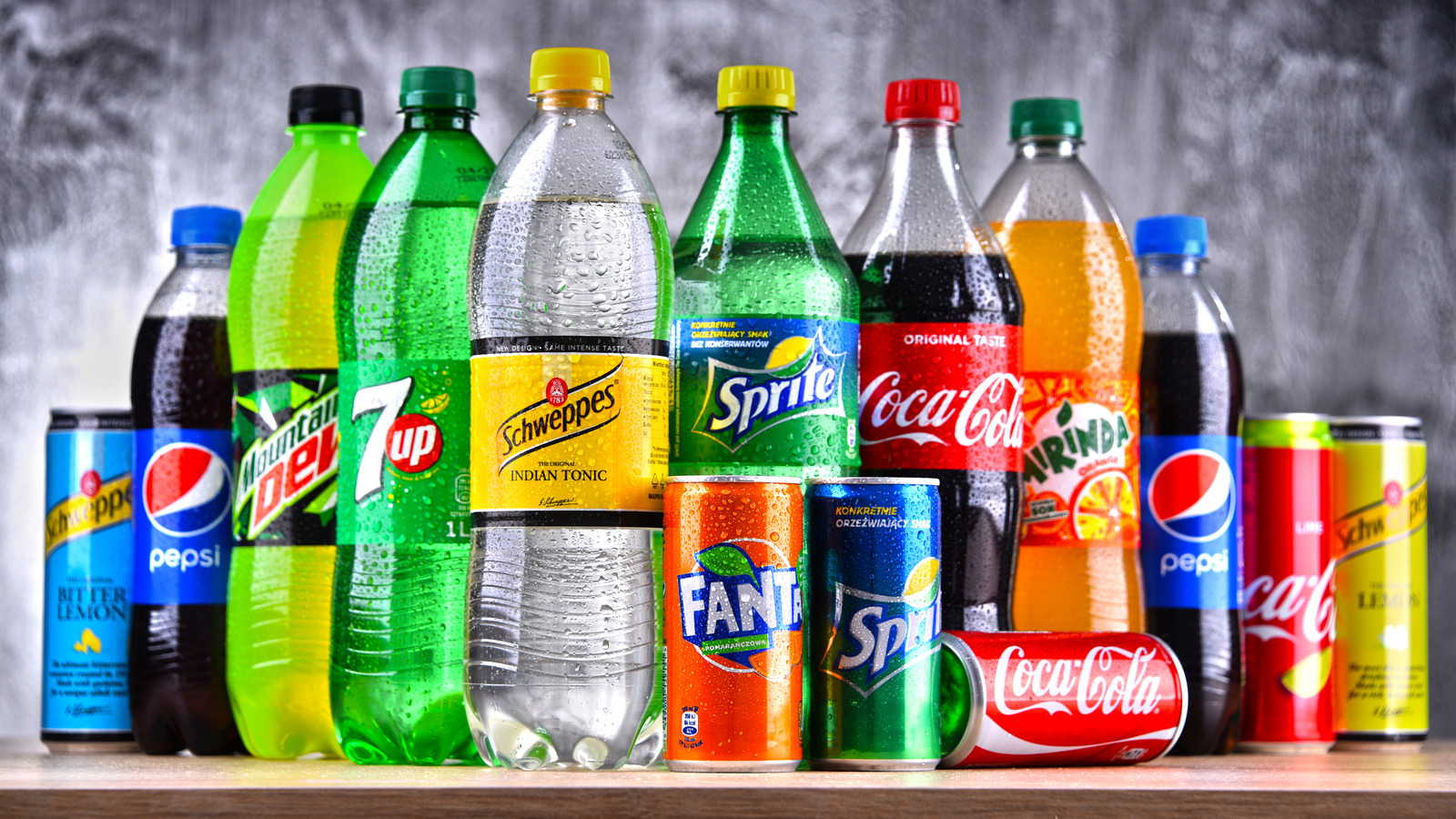 juiceradvices.com7 Foods You Should Eat Before Flying | Cookist.com
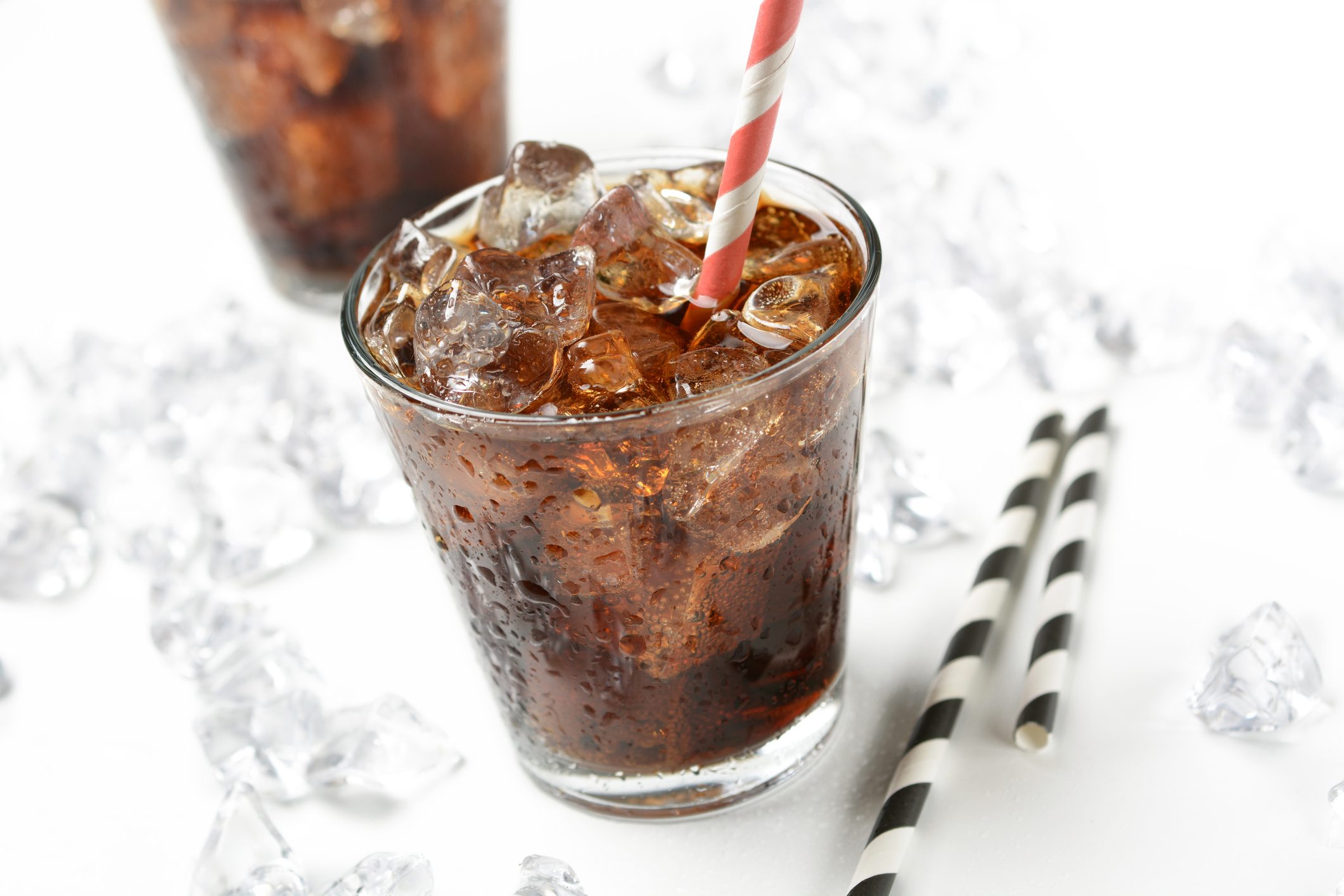 www.cookist.comcarbonated increase foods drinks avoid risk cancer
5 Health Effects Of Carbonated Drinks On The Body - Health Guide NG
 healthguide.ngcarbonated
How To Counter Acids’ Painful Effect On Enamel - The Family Dental Center
thefamilydentalcenter.comsoft carbonated drink enamel painful acids counter effect
How To Make Your Own Carbonated Beverage | POPSUGAR Fitness
www.popsugar.comcarbonated drink beverage beverages
Carbonated increase foods drinks avoid risk cancer. Soft carbonated drink enamel painful acids counter effect. 5 health effects of carbonated drinks on the body